
The concept of the dark web often evokes images of clandestine operations and illegal activities. However, understanding how to access the dark web can serve educational purposes, providing awareness and knowledge about online safety and privacy. This article aims to inform readers about the dark web, its purpose, and how to navigate it safely, thus empowering individuals to protect themselves in an increasingly digital world.
To reach the dark web, you must use Tor and then a dark web search engine or directory to find addresses. Dark web pages use special .onion addresses and require the Tor Browser to access, which Google’s bots don’t crawl. Many researchers actually use multiple search engines to cover all bases. DuckDuckGo’s onion service is best for general use and privacy though it’s not dark web specific. If you’re looking to validate your security posture, identify hidden risks, or build a resilient defense strategy, DeepStrike is here to help.
- Think of it as your general search engine while using Tor, whereas something like Ahmia or Torch is a true dark web onion search engine.
- Commercial darknet markets mediate transactions for illegal goods and typically use Bitcoin as payment.
- The dark web is a very small portion of total internet traffic compared to surface and deep web content.
- It also weeds out a lot of scams by only listing sites that have a good reputation or are at least known.
- However, a VPN introduces its own trust factor you’re trusting the VPN not to log you, and it can slow down your connection further.
Access Dark Web
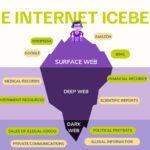
The dark web is a part of the internet that is not indexed by traditional search engines and requires specific software to access. It exists alongside the surface web (the part of the internet most users interact with) and the deep web (parts of the web not indexed by search engines). The dark web has gained notoriety for hosting illegal marketplaces and other nefarious activities, but it also serves as a refuge for privacy advocates, journalists, and whistleblowers.
What Is the Dark Web?
The dark web comprises various websites and communities that prioritize anonymity and privacy. While it can be a hub for illicit activities, it also facilitates free speech in oppressive regimes. Understanding its dual nature is essential for anyone considering accessing the dark web.
How to Access the Dark Web Safely

Safety should be a primary concern when attempting to reach the dark web. Here are steps to do so responsibly:
- Use a VPN: A virtual private network (VPN) masks your IP address and encrypts your internet traffic, providing an extra layer of security.
- Download Tor Browser: The Tor (Onion Router) browser is essential for accessing the dark web. It helps anonymize your browsing and grants entry to .onion sites.
- Ensure Security Settings: Adjust privacy settings on your Tor browser to enhance anonymity. Avoid downloading files or enabling scripts that may compromise your security.
- Be Cautious: Familiarize yourself with reputable resources and communities on the dark web. Avoid sites that appear suspicious or offer illegal products and services.

Consequences of Accessing the Dark Web
While the dark web can offer valuable resources, it comes with risks. Engaging in illegal activities can have severe legal consequences. It’s crucial to remain aware of the ethical implications of your actions within this unregulated space. Further, scams and malicious software are rampant, so maintaining heightened security awareness is vital.
Advantages and Disadvantages
Accessing the dark web has its pros and cons. Understanding these aspects can help users navigate it more effectively:
- Advantages:
- Access to uncensored information.
- Safe communication channels for whistleblowers and journalists.
- Disadvantages:
- Exposure to illegal content and activities.
- Potential for cyber threats, such as malware and hacking attempts.
Conclusion
Learning how to access the dark web safely is a crucial skill in today's digital age. While it presents opportunities for information and free speech, it also poses significant risks. By taking necessary precautions and staying informed, individuals can navigate this complex part of the internet responsibly.