
Future Lyft products or services may not be eligible. Qualifying Lyft products and services include rideshare; bike and scooter rides; and subscription and membership products. Credit card product changes during the promotional period will forfeit this offer.
The dark web often paints a daunting picture of illegal activities, and among these, the buying and selling of stolen credit card information is particularly concerning. Understanding how credit card dark web links operate can help individuals protect themselves from identity theft and fraud. This article will provide insights into the nature of these links, how they are used, and essential tips for safeguarding personal information.
Credit Card Dark Web Links
Credit card dark web links refer to websites or forums on the dark web where individuals can buy or sell stolen credit card information. Unlike the surface web, which is indexed by standard search engines, the dark web requires specific software to access, making it less visible but not inaccessible. Understanding the functionality of these links can arm users with necessary knowledge to safeguard against threats.
How the Dark Web Works
The dark web operates beneath the surface of the internet and is often associated with anonymity. Here’s how it functions:
- Access Tools: Users need specific tools such as Tor to access dark web sites.
- Anonymous Transactions: Cryptocurrency is primarily used for transactions, offering a layer of anonymity to both buyers and sellers.
- Encrypted Communication: Many platforms on the dark web provide encrypted methods for communication, making it difficult for law enforcement to track illicit activities.
Risks of Buying/Selling Credit Card Information
Engaging with credit card dark web links exposes individuals to various risks, including:
- Legal Consequences: Participating in illegal activities can lead to severe criminal charges.
- Identity Theft: Personal information is vulnerable, which can result in long-term identity theft issues.
- Financial Loss: Victims may face substantial financial losses both from fraud and recovery efforts.
- The card number on a credit card is typically found in the top-left corner or along the front edge.
- Concerns over stolen online data migrating to the dark web have grown as more criminals have become “cyberthieves.” With the implementation of the EMV standard, card data fraud has shifted from brick-and-mortar stores to online commerce.
- By combining real-time transaction monitoring, artificial intelligence, customer alerts, chip-based technology, and multi-factor authentication, banks and financial institutions form a robust defensive layer against carding.
- The use of JavaScript-sniffers, also known as Magecart, has led to a significant increase in stolen payment card data.
- ℹ️ These cards mainly come from web skimmers!
Signs Your Information May Be Compromised
Being proactive can help you determine if your credit card information may have been exposed. Look for these signs:
- Restaurants located inside of or affiliated with another business, such as hotels or retail stores and establishments classified as a bakery, may not qualify.
- This proven technology, seamlessly working in the background, analyses transaction data and authenticates users in real-time, ensuring only legitimate transactions proceed.
- Use this guide to learn how to easily automate supply chain risk reports with Chat GPT and news data.
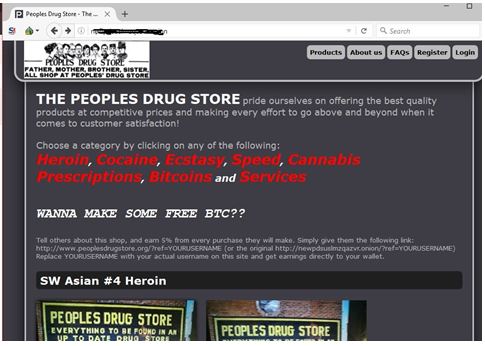
- Once on the dark web, users navigate to illicit marketplaces through hidden “.onion” websites, accessible exclusively via Tor browsers.
- Fake credit card information can be bought on the Dark Web for as little as $5.
- Unexplained transactions in bank statements.
- Receiving alerts about new accounts opened in your name.
- Notifications from your bank regarding suspicious activity.
Protecting Yourself from Dark Web Threats
To minimize risks associated with credit card dark web links, consider implementing these preventive measures:
- Monitor Your Accounts: Regularly check your bank and credit card statements.
- Use Credit Monitoring Services: Sign up for services that alert you of unusual activities.
- Enable Two-Factor Authentication: This adds an additional layer of security to your accounts.
Frequently Asked Questions (FAQs)
1. What is the dark web?
The dark web is a part of the internet that is not indexed by standard search engines and requires specific software to access.
2. How do criminals obtain credit card information?
Criminals may use phishing, malware, or purchase information from others on the dark web.
3. Can I recover my identity if stolen?
While recovery is possible, it can be a prolonged process involving credit bureaus and financial institutions.
4. Is it illegal to browse the dark web?
Browsing the dark web is not illegal; however, engaging in illegal transactions is against the law.
Understanding credit card dark web links is crucial in the digital age. By recognizing the risks and adopting preventive measures, individuals can better protect their financial identities and navigate the complexities of the internet safely.