
In today's digital age, the internet presents a wealth of information, but not all of it is readily accessible through standard search engines. A hidden part of the internet, known as the dark web, requires specific tools and knowledge to navigate safely. Understanding how to browse the dark web can empower users with important information and resources while providing insights into both the risks and rewards associated with this obscure realm.
Before we unpack the dark web’s threats, let’s explore how and why users access these sites. Tor websites are located at this far end of the deep web, which are deemed the “dark web” and are only accessible by an anonymous browser. Everything else, from academic journals to private databases and more illicit content, is out of reach. In fact, this hidden web is so large that it's impossible to discover exactly how many pages or websites are active at any one time. All commonly public-facing websites accessed via traditional browsers like Google Chrome, Internet Explorer, and Firefox are contained here. It hosts both legal and illegal activities, offering anonymity but also posing risks like scams and illicit content.
You should only ever access websites you know are safe because they're vetted by websites or other sources that you already know are safe. But be warned, it's not as user-friendly as the typical clearnet websites you access. It uses the onion router to bounce your signal around other Tor users around the world, thereby pseudo-anonymizing you when you access the dark web. There are many legitimate websites on the dark web that can be worth visiting, but there are also the absolute extremes of illegal material, such as pornography, illegal substances, and gore.
Browse The Dark Web
- Some countries frown upon dark web usage, so it’s good to cover your back with a reputable VPN service.
- The network is comprised of thousands of volunteer-run servers known as Tor relays.
- Disabling JavaScript, ActiveX, and Flash plugins, for example, will help to strengthen your privacy, though this may also cause some sites to run poorly.
- There are several whistleblower sites, including a dark web version of Wikileaks.
- It is a free, open-source web browser that routes your internet traffic across the Tor network.
- If you have a legitimate or viable need to access the dark web, you’ll want to make sure you stay safe if you decide to use it.
Because it’s not as safe as Tor over VPN. Well, VPN over Tor is basically its opposite – instead of going through the VPN first, the signal passes through the Tor network, before going through the VPN. Not very safe, but it’s still useable. Well, it’s really not that complicated – using the Tor over VPN method means connecting to a VPN service before using the Tor browser.
The dark web is often misunderstood and shrouded in mystery. While it is notorious for illicit activities, it also hosts a variety of legitimate content that serves numerous purposes, including privacy-concerned communications and activism. Here’s how you can safely explore this hidden space:
What You Need to Know Before Browsing

- Understand the Risks: The dark web can expose users to illegal content, malware, and scams. Awareness is your first line of defense.
- Privacy Tools: Use a Virtual Private Network (VPN) and secure browsers, such as Tor, to ensure anonymity.
- Stay Informed: Research reputable sources about the dark web to avoid common pitfalls.
Essential Steps to Browse the Dark Web
- Dark web sites are hidden by non-indexing, making them completely anonymous.
- DuckDuckGo’s no-track dark web search service can be accessed in the Tor browser and is an excellent resource for information about the dark web.
- However, I advise connecting to one of my recommended VPN services to stay anonymous.
- This extra layer prevents exit‑node snooping and keeps your data hidden from local network observers.
- Facebookwkhpilnemxj7asaniu7vnjjbiltxjqhye3mhb shg7kx5tfyd.onion
- The dark web is so named because of its hidden configurations, its emphasis on anonymity, and the private activity that happens there.
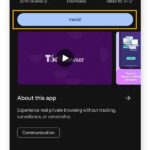
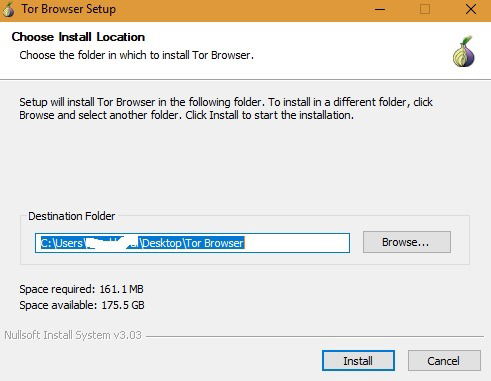
- Download and Install Tor Browser: This is the primary tool for accessing the dark web. It allows anonymous browsing.
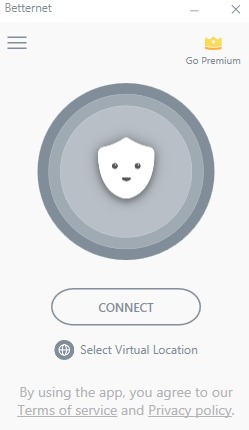
- Connect to a VPN: This adds an additional layer of security by hiding your IP address.
- Browse with Caution: Only visit sites that are well-known and recommended to avoid harmful content.
- Use Search Engines Designed for the Dark Web: Rather than traditional search engines, utilize those created specifically for dark web content.
Common Uses of the Dark Web
While often associated with negative connotations, the dark web serves several beneficial functions, such as:
- Whistleblowing: Platforms that allow individuals to report misconduct safely.
- Research: Researchers studying cybercrime and other online phenomena may find valuable data here.
- Privacy Protection: Activists and journalists in oppressive regimes use the dark web to communicate securely.
Frequently Asked Questions
Is it illegal to browse the dark web?
No, browsing the dark web itself is not illegal, but engaging in illegal activities while on it can lead to serious consequences.
Will using Tor guarantee complete anonymity?
While Tor significantly increases your privacy, no tool can guarantee complete anonymity. Always exercise caution and stay informed.
How can I find reliable information on the dark web?
Look for community forums, blogs, and guides specifically dedicated to dark web navigation and safety.
In conclusion, learning how to browse the dark web safely can open up a realm of possibilities while ensuring personal security. By educating yourself and following best practices, you can explore this hidden part of the internet responsibly and knowledgeably.