
The dark web often evokes a sense of intrigue and mystery, as well as apprehension. It is a part of the internet not indexed by traditional search engines, requiring specific software to access. Understanding how to access the dark web can be vital for research, privacy, and the pursuit of information. This guide will explore the fundamental aspects of the dark web, including its structure, how to access it safely, and the potential risks involved, ensuring you are well-informed.
Many advanced search engines now include APIs or integration options that allow teams to feed dark web data directly into systems like SIEM or SOAR. Reliable platforms typically provide frequent updates, filtering tools to refine results, API access for automation, and verified data sources. Some contain harmful or illegal content, and others may lack encryption or expose users to tracking risks. By monitoring hidden forums and marketplaces, teams can detect early warning signs of breaches, planned attacks, or data exposure involving their organization.
- To explain what webpages are on the Deep Web, it will help to first understand a bit about how search engines work.
- Investigating a particular forum or researching an attacker’s history benefit from manual searching.
- Staying cautious is essential when interacting with content on the dark web, as illegal activities are prevalent.
- Visiting the Dark Web without proper precautions can expose users to malware and IP logging, which can lead to further security breaches.
- OSINT, or Open Source Intelligence, are data collection tools that legally collect information from public sources.
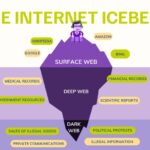
Thus, the deep web is a significant part of various disciplines containing sensitive information that helps with academic and professional activities. The deep web contains private networks used by business organizations, governmental departments, and educational institutions. It is estimated that about 96% of the internet is part of the deep web, while the surface web makes up only 4%. This very well-known territory hides a lot more – a giant called the deep web and an even smaller part called the dark web. The Internet is an enormous and complicated information network; the overwhelming majority of that is simply not available to any average user.
It requires specific software and knowledge to access, creating a barrier that keeps casual internet users away. Unlike standard websites, dark web sites use encryption technologies like The Onion Router (Tor) to mask user identity and activity. Understanding the relationship between Tor and the dark web is essential—Tor (The Onion Router) is the primary software used to access these hidden sites. While the dark web can serve legitimate purposes—like preserving anonymity for whistleblowers or journalists—it’s also a hotbed for illicit activity.
Access To The Dark Web
The dark web can be a source of both valuable information and illegal activities. To navigate it effectively, consider the following key points:
What You Need to Access the Dark Web
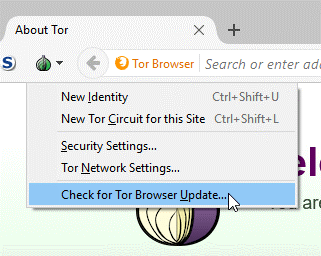
- Specialized Software: The most common method to access the dark web is through the Tor Browser, which anonymizes your internet traffic.
- VPN Service: Using a Virtual Private Network (VPN) can add an extra layer of security by masking your IP address.
- Basic Cybersecurity Knowledge: Understanding the risks associated with accessing the dark web is essential to maintaining your safety.
Steps to Access the Dark Web
- Download the Tor Browser from a reputable source.
- Install and launch the Tor Browser.
- Consider enabling a VPN for enhanced privacy.
- Use .onion links to explore websites available exclusively on the dark web.
Potential Risks of Accessing the Dark Web
While the dark web can serve legitimate purposes, it comes with significant risks:
- Illegal Content: Many sites host illegal activities, which can expose users to legal consequences.
- Malware Threats: The dark web is rife with malware that can infect your device.
- Scams and Fraud: Be cautious of fraudulent services and schemes that exploit unsuspecting users.
Staying Safe While on the Dark Web
Here are tips to help you navigate the dark web safely:
- Always use the Tor Browser for anonymity.
- Never share personal information.
- Avoid downloading files from unknown sources.
- Be skeptical of offers that seem too good to be true.

FAQs
Is accessing the dark web illegal?
No, accessing the dark web itself is not illegal, but engaging in illegal activities on it is against the law.
Can you be traced on the dark web?
While the Tor network provides anonymity, complete security cannot be guaranteed. Always take precautions to protect your identity.
What types of information can be found on the dark web?
The dark web contains a wide range of information, ranging from whistleblowing sites, forums discussing privacy rights, to illegal marketplaces and services.
By understanding how to access the dark web responsibly, you can tap into a wealth of information while protecting your privacy and security. Stay informed and cautious as you explore this hidden part of the internet.